

A curated laboratory for artists grounded in research, discovery, and creative replenishment.
Applications for Sessions III + IV open Winter 2026.
About the Lab
Patakí is a fourteen-day intensive in Salvador, Brazil, designed for Black, Indigenous, and/or Queer artists to deepen their practice through shared discovery and creative replenishment.
This is not a cultural immersion program. We facilitate a shared field of inquiry developed alongside Salvador’s most influential artistic and academic voices, utilizing a curatory model tailored to each artist’s unique area of interest or study.
The lab is built for the sustenance of the artist, where rigorous creative development coexists with pleasure, rest, and the rich historical and contemporary contexts of the Blackest city outside of the African continent.
-
Patakí is a 14 day creative lab that provides a spacious and restorative environment for participants to develop a project, question, or area of study of their choosing. The lab slows the pace of engagement, allowing learning, reflection, and creative work to unfold without pressure to produce.
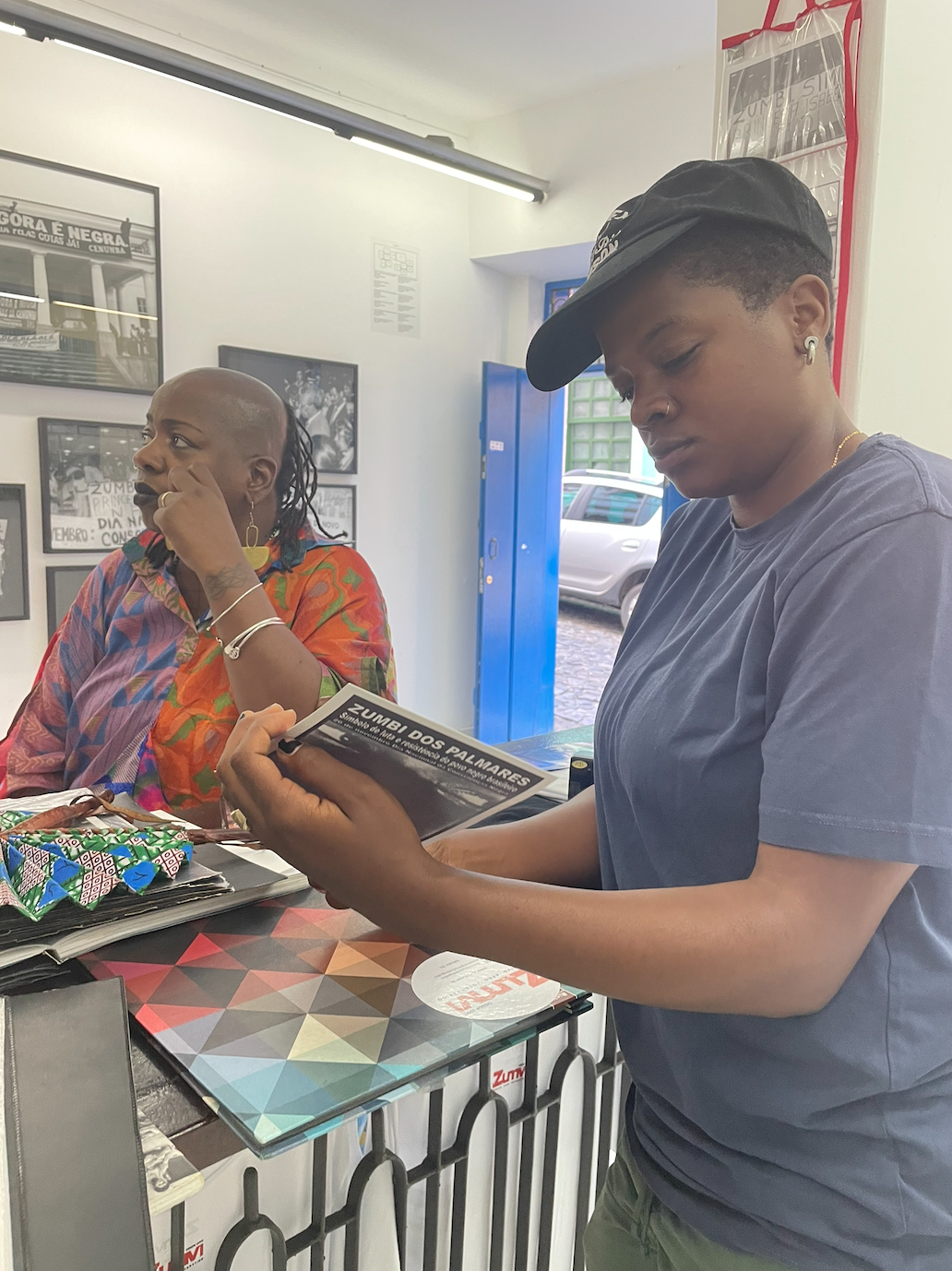
Participants take part in facilitated sessions with artists, researchers, curators, healers, and cultural workers working across Salvador’s artistic, academic, and cultural landscape. These encounters are balanced with time for independent work, informal exchange, and rest.
Days move between shared sessions, individual inquiry, and unstructured time for independent exploration.
The rhythm of the lab is set to the tone of collective gathering, supporting the development of ideas that nurture the creative practice.
-
Patakí is for Black, Indigenous, and Queer artists, researchers, and cultural workers who share a commitment to Black and Indigenous worldbuilding and see Bahia as a place to learn from, build relationships with, and be changed by.
Participants often arrive with a project, question, or area of focus they wish to deepen, alongside an interest in how ideas shift through proximity, conversation, and shared experience.
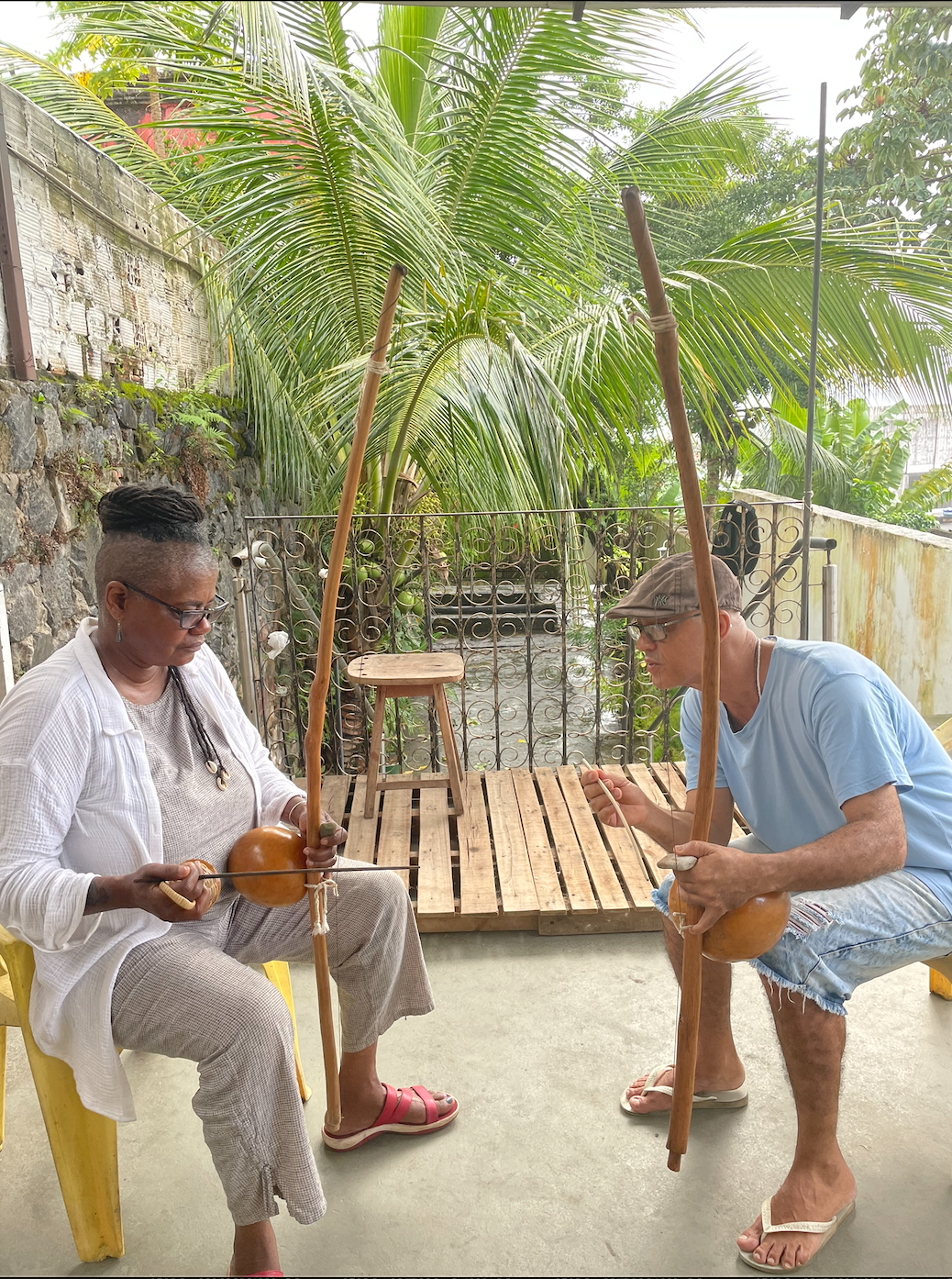
Previous areas of inquiry have included somatic and movement based practices, ancestral and lineage research, visual and sound based work, instrument building, and other approaches that treat land, body, and memory as sources of knowledge.
The lab is especially resonant for those drawn to Bahia’s geographic and cultural richness and who seek forms of engagement with people and practices that are difficult to access through independent travel.
-
Patakí is a research and practice lab grounded in Bahia’s historical and spiritual richness. We operate with a strong awareness of the responsibilities that come with entering a landscape shaped by colonization and racial capitalism, even when being organized by and for people of intersecting identities. For this reason, Pataki is neither a traditional residency nor a cultural immersion program; it is a commitment to presence.
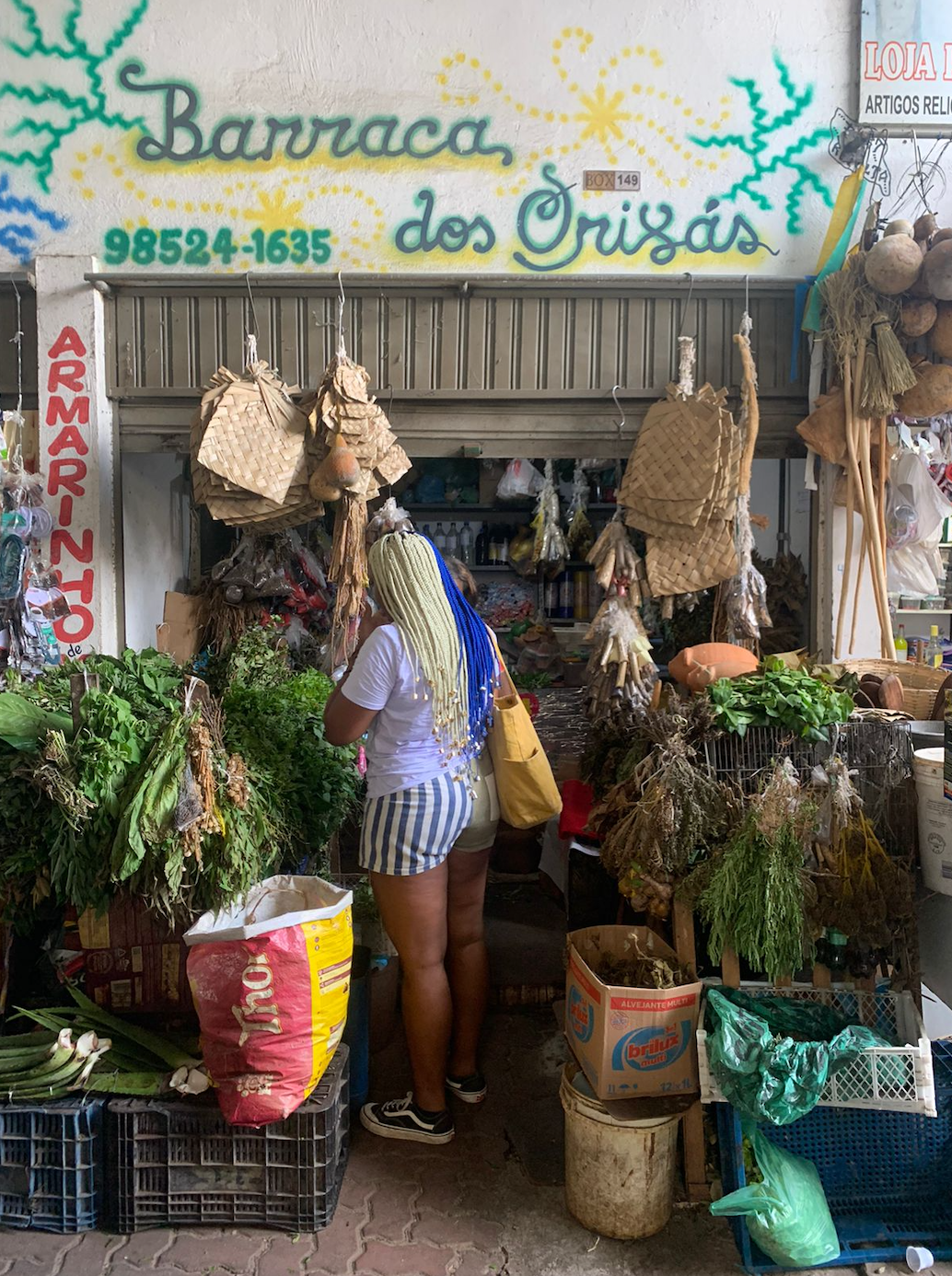
We engage with Salvador as a living place, not a backdrop or a source of material to be extracted. The lab invites a practice of cultural humility, challenging us to consider how our methods and questions shift when we refuse the role of the consumer.
Our work begins by unlearning the patterns of Western tourism that center personal comfort as the primary measure of value. Rather than arriving with a fantasy of the city, participants are invited to remain attentive to the existing social terrain. We move with the understanding that our presence has an impact, striving to work in relationship with Salvador rather than in tension with it.
-
A 14 day shared lab shaped by study, relationship, rest, and time spent in place
A gentle daily rhythm that balances facilitated sessions, independent research and creative practice, and collective reflection
Engagements with artists, researchers, professors, curators, and cultural workers working across Salvador’s artistic, academic, and cultural landscape
A three day group visit to a nearby city of historical significance, with time in nature and space for reflection
Time intentionally set aside for rest, grounding, spiritual connection, and integration
Shared housing with personal accommodations to support collective presence and individual reflection
Shared meals, informal conversations, and moments of celebration woven throughout the experience
Flexibility within the structure, allowing the lab to respond to the energy of the group and the context of the day
-
Pataki is an independent, mobile think lab designed by Poto founder Isha Rosemond. We operate outside traditional institutional structures to maintain a practice rooted in relational ethics and non-extractive exchange.
Pataki integrates directly with the existing creative and social fabric of its host locations. The curriculum is facilitated in tandem with a network of local practitioners, offering participants a holistic bridge into Salvador’s most vital academic, spiritual, and cultural circles.
About the Lead Curator: Isha Rosemond is a Haitian-American artist and researcher whose work has been exhibited at the Museum of Modern Art Bahia and is held in the permanent collection of the Centro Afro Carioca de Cinema Negro Zózimo Bulbul.
Their practice is informed by a decade of self-directed research across the African Diaspora and studies at the Federal University of Bahia (UFBA). With a professional background in national public health policy and communal advocacy, Isha designs Pataki as a space where high-level inquiry coexists with rigorous restorative care.
-
A limited number of partial scholarships are available to support access. Participants are encouraged to seek institutional, employer, or grant funding. Pataki provides letters of invitation and letters of support for funding applications upon request.
The Fee Includes:
Shared housing with private sleeping accommodations for the full duration of the lab
Airport transportation upon arrival and departure
Shared breakfasts during the program period
One three day group trip outside the city, including lodging, ground transportation, dinner, and rest-centered programming
Facilitated sessions, workshops, and exchanges with artists, researchers, professors, curators, and cultural workers working across Salvador and the broader region
Program design, facilitation, and coordination, including translation, mediation, and contextual framing throughout the lab
Local partnerships and institutional access, developed through long-term relationships rather than short-term cultural tourism
The program fee does not include:
International airfare to and from Brazil
Lunches, most dinners, or personal production materials
Visas or travel insurance
-
Eligibility: We welcome applications from Black, Indigenous, and/or Queer artists, researchers, and cultural workers across all disciplines and geographies.
The Application: The process includes four short-response questions focused on your practice, your current areas of inquiry, your core values, and your specific interest in the Pataki framework.
Time Commitment: The application typically takes 35 to 45 minutes to complete. We encourage you to share your thoughts authentically rather than academically.
Conversations: Following the initial review, selected applicants will be invited to a brief conversation to discuss their practice further and ensure the lab aligns with their creative goals.
Rolling Invitations: Decisions are extended on a rolling basis. We recommend applying early to secure your place in the cohort.
Deadline: Applications for both Session I and Session II are due February 23, 2026.